

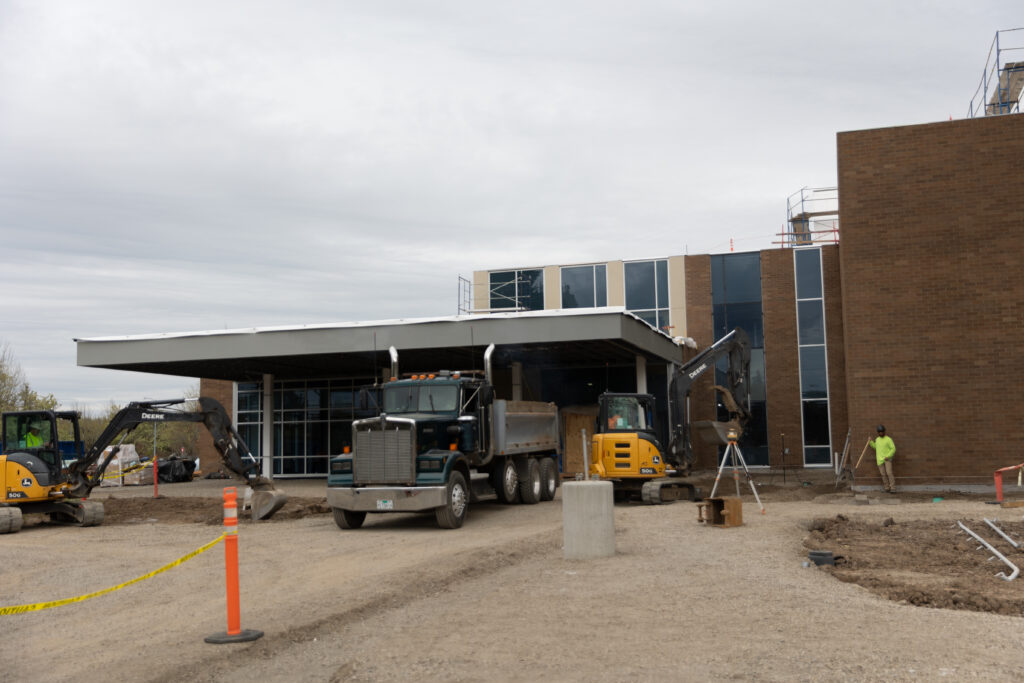
SPRINGFIELD – PeaceHealth is set to open Oregon’s first traumatic brain injury (TBI) unit this summer once construction is complete on the facility’s new inpatient rehabilitation hospital.
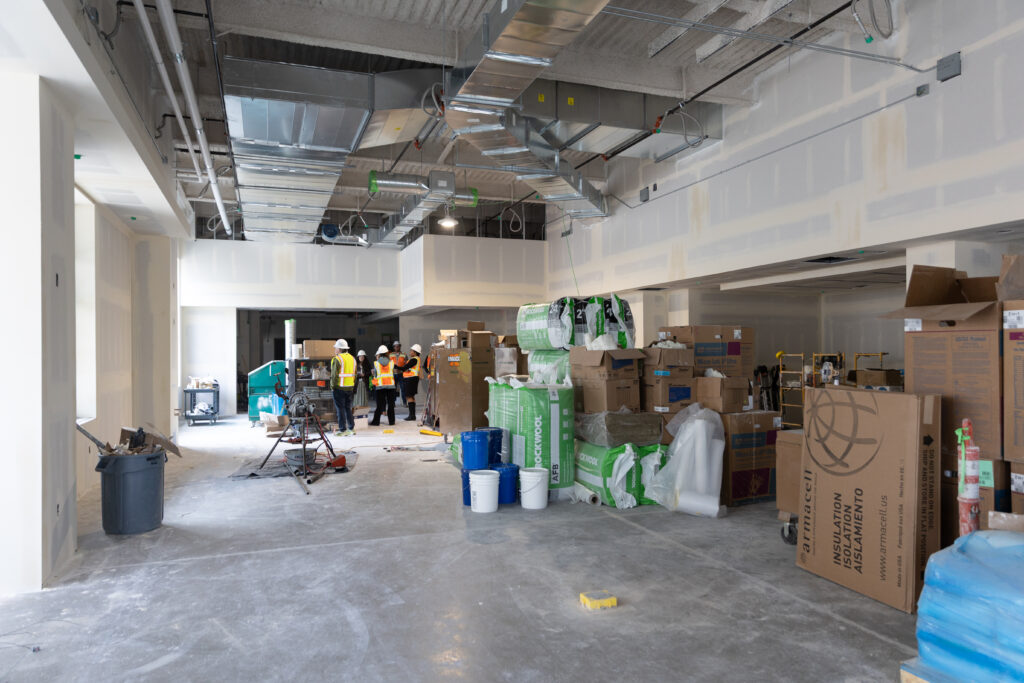
The specially designed 67,000-square-foot hospital will include an open dining area, an apartment, two gyms, nursing units, and an outdoor area.
Alicia Beymer, PeaceHealth’s chief administrative officer, said the journey started in 2020 at the University District. The old inpatient rehab unit was licensed to fit 18 beds, but generally averaged eight patients a day. Beymer said that back then, the unit’s quality was nationally ranked around the 10th percentile.
“We didn’t have the expertise on how to really develop and provide that really specialized inpatient rehab care in our facility. So we contracted with LifePoint,” she said.
LifePoint is a healthcare company that provides services in rural communities and small towns. Through LifePoint, Ashley McDonald was brought in as the program director of the current Oregon rehab center (ORC) at RiverBend, and will be the chief executive officer of the new space. Beymer said she and Ashley set a goal to improve access of care for patients and to be in the top 90th percentile in the nation. Because of the partnership, PeaceHealth has tripled its volume in the rehab unit with around 27 beds, and has improved its quality of care to the 90th percentile for the last few years.
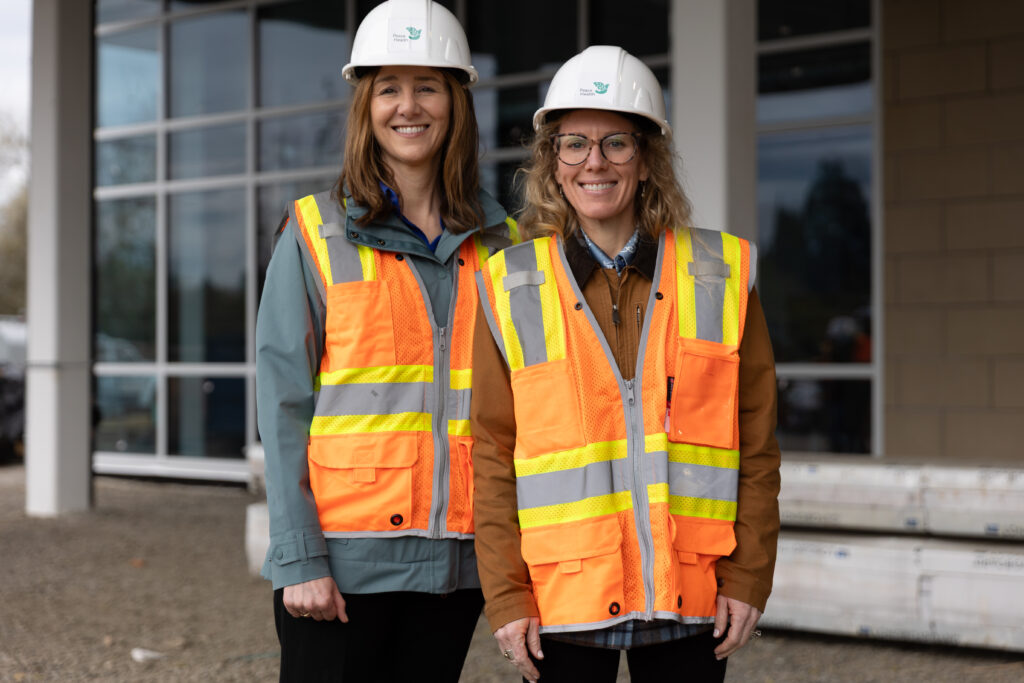
“I’m very thankful for the LifePoint and PeaceHealth partnership and their investment in rehab and to deliver care and expand access in a space that was intentionally designed for rehab,” McDonald said. “It’s really special, and I know it will benefit this community and the region in a really positive way.”
Beymer said 30 beds will be used for rehab patients and 12 will specifically be for folks with traumatic brain injuries. The TBI section of the hospital will be a secure unit, so folks will have the ability to walk around freely. She said a goal in five years is to have 60 total beds.
The new, 42-bed hospital was intentionally designed as a rehabilitation space. Everything from the paint color, threshold barriers, layout design, and specialty equipment was carefully considered.
“With every reiteration of these rehab hospitals…they’re learning. Every time they build a hospital in a different part of the country, that design team, that engineering team, takes those lessons learned from patients, from families, from clinical staff, and reiterates and innovates new designs as they continue to build these,” McDonald said. “We have sort of the latest and greatest version.”
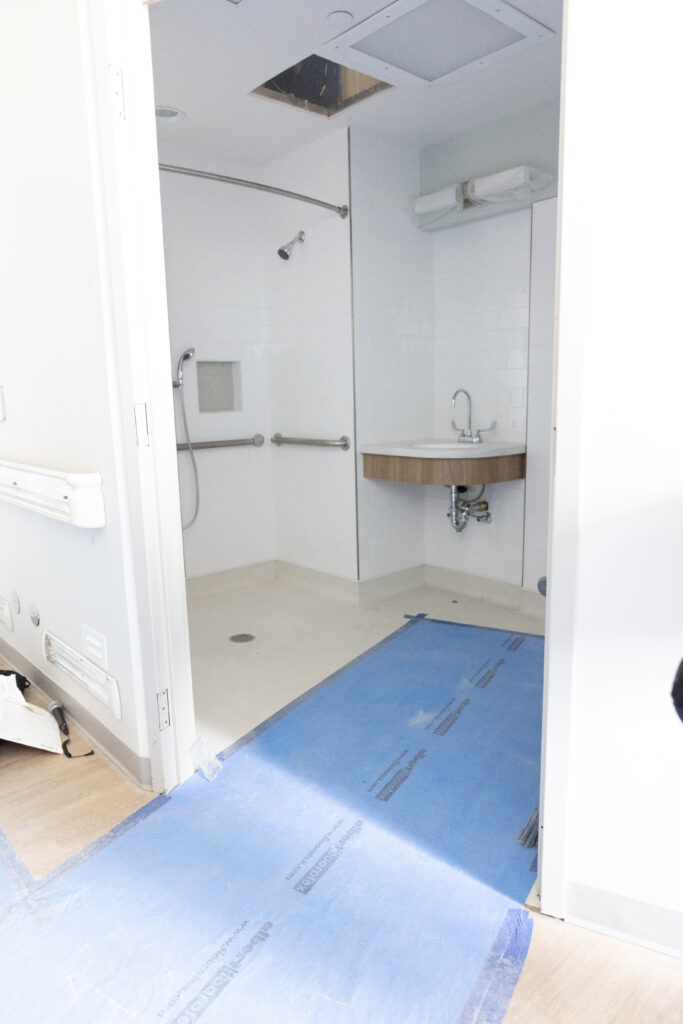
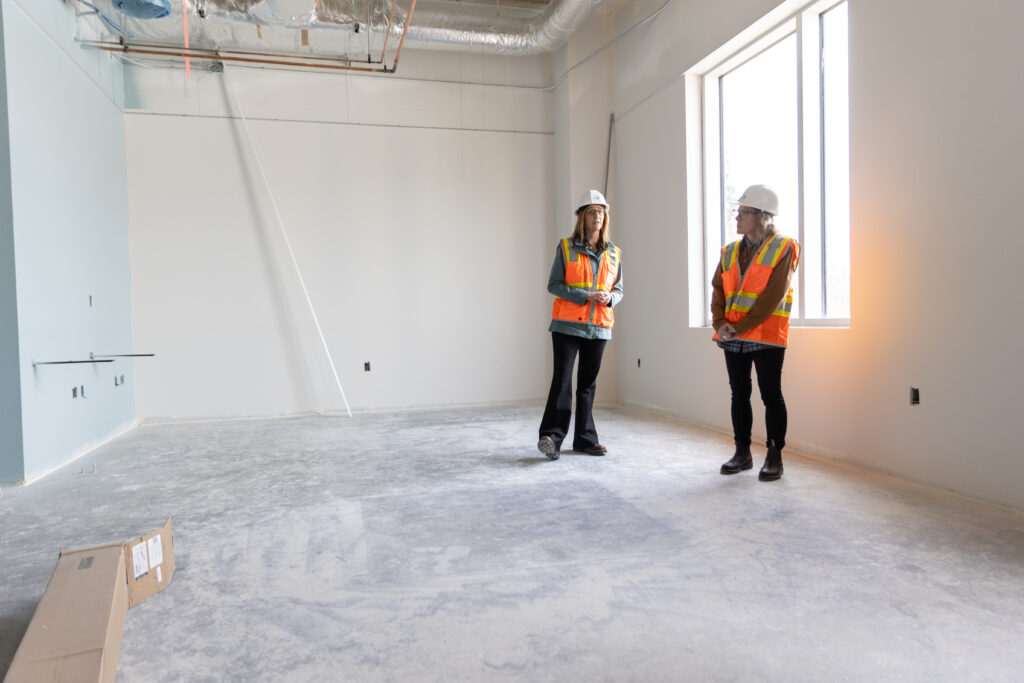
The “rain eggshell” paint color on the interior walls is meant to be stimulating but also calming. Things like adequate lighting, appropriately positioned head walls and foot bed clearance, and plug-ins not only meet regulatory requirements, but also help patients function more comfortably in the space.
A spacious communal dining room will let patients order their own food and eat in a shared space rather than have it delivered to their room.
“Dining really is a best practice in rehab, not only for the functional skills, but the peer support and psychosocial benefits associated with that,” McDonald said.
A specially-designed gym for TBI patients with dedicated equipment will be bigger than the gym that was at the University District. McDonald explained that the rehab units in the region can not accommodate the needs of a certain subset of complex patients with brain injuries, but this new space will allow them to provide that care.
An additional 3,000-square-foot gym will include a mini car that patients will be able to practice getting in and out of, so they can build independence and confidence. A 10-foot drift boat will be set up outside, just like it would be on the riverbank, with river rocks for folks to practice getting in and out of.
An outside area with various ground textures will help patients practice maneuvering different flooring. Design details were so thought out that even the distance between the two sides of the building is the same length as a crosswalk, so patients can practice the timing of walking across a street.
“It’s about developing that confidence before they’re going home, and practicing those skills with their caregivers and loved ones, so that they feel ready when they go home, and that they can do this,” Beymer said.
Before they leave, patients will be able to stay in an apartment that mimics a home-like space so they can practice their independence without caregivers. The apartment will include a flat bed – not a hospital bed, a kitchen area, a bathroom, and laundry appliances.
“It’s really important for us as a clinical team to ensure that patients are safe before they go home, and that they’re in an environment that mimics a home-like space, because that creates the greatest functional carryover and functional return,” McDonald said.
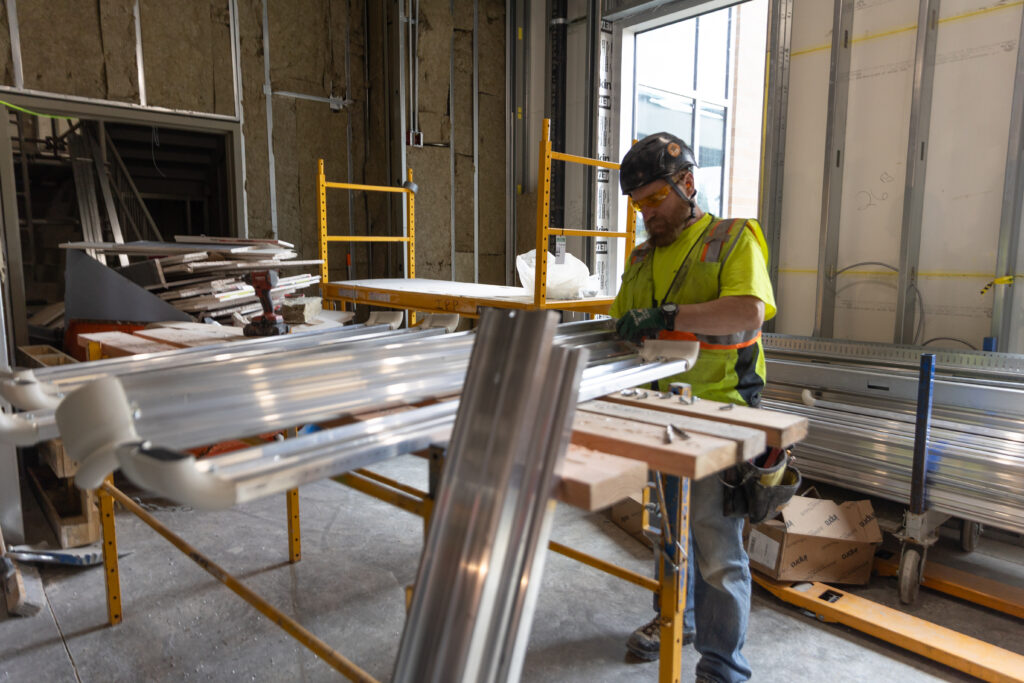
Beymer said around July, staff will start training, the hospital will get a certificate of occupancy, equipment will be fitted, and the first patient will be admitted on Aug. 25. The majority of the current staff at the Inpatient Rehabilitation RiverBend will transfer to the new hospital, and additional staff will be added as volume increases.
By Oct. 1, all rehab patients at RiverBend will be at the new facility, which will then open up 31 inpatient beds at RiverBend.