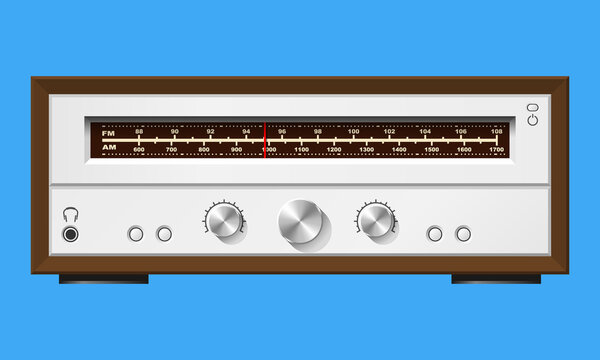
Radio is one of our oldest forms of electronic mass communication. While its concept is quite old, radio itself didn’t enter most American households until the late 1920s. Once introduced, it caught on quickly.
Mass communication has been multiplied and honed unceasingly in the last century, but, through it all, simple little radio remains largely unchanged.
The Federal Communications Commission (FCC) governs all electronic communication transmission in America.
Two categories
The FCC classifies radio into two categories: commercial radio and public broadcasting. Commercial radio is allowed to sell airtime to local retailers and to carry “commercials” for those businesses. Public radio is noncommercial but may sell airtime to “underwriter” businesses, which are allowed to include their names, business contact information, and specialty, but nothing promotional.
To raise operating funds, public radio stations may accept donations directly from listeners. These fundraisers or membership drives are the most common source of funding for public broadcasters.
In the late 1960s, a federally funded entity was established to help bring parity to smaller population centers that may not have the citizenry to pay for a public radio station.
This body, known as the Corporation for Public Broadcasting (CPB), was funded biannually, with money then disbursed to all qualifying public broadcasters, both television and radio.
Funding was based on a combination of factors, including the local population, as well as a substantial percentage of a station’s annual budget procured by underwriters and citizen financial supporters.
I speak of the CPB in the past tense because last fall, in a sudden and unscheduled Congressional Act, the CPB was defunded and dissolved.
KRVM volunteers
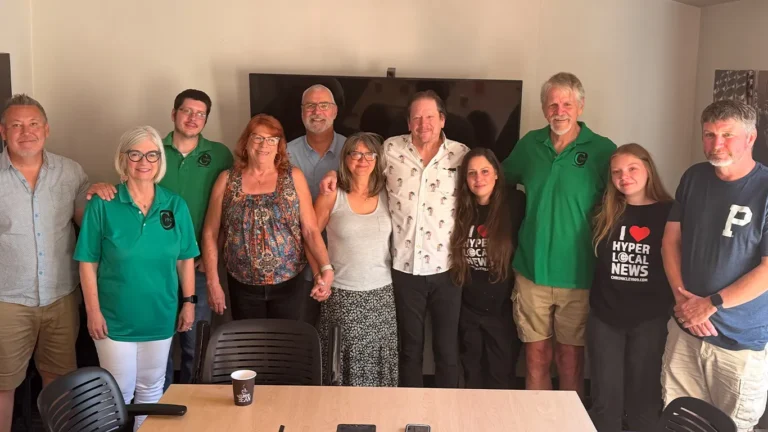
Public radio is always a shoestring operation; funding is always a concern. Nearly all public radio DJs are community volunteers – a major money saver. I have been a volunteer DJ for public radio station KRVM 91.9 FM for nearly thirty years, a number already passed by several at KRVM. Most volunteer DJs do so for decades, some for life.
The dissolution of the CPB is a major threat to many public broadcasters who relied on their slice of that small pie for survival. Most will lay off paid staff, search for small grants, and hope for more underwriting or community support. Many, though, will simply fail.
While well-challenged by this situation, KRVM may be in a little better condition than many. We play music, nothing else; we are local and have been for nearly 80 years, we subscribe to no satellite feeds, KRVM trains student DJs for the future, and we carry an incredible variety of music hosted by knowledgeable DJs.
Listener support critical
Our most crucial support now is listener support. Annual and sustaining members provide KRVM with a steady trickle of funding, which is crucial to our survival.
If you’re not familiar with public radio, go to the left end of the FM dial and discover an amazing variety of music you may not have known existed.
If you do know the magic of public radio, and KRVM in particular, please support us in this time of need. Go to krvm.org, hit the “Donate Now” button, follow the prompts, and give what you can.
Tony Stevens hosts “Breakfast With The Blues” each Friday morning. He wrote this for The Chronicle.