In these turbulent times, the impact of current events is widespread, affecting people of all ages and sectors of society. We are constantly bombarded by media across all platforms with often negative news.
As a baby boomer born in the mid-20th century, I have witnessed incredible changes and advancements – from the mere dreams of space travel to the pocket-sized computers we now take for granted. These devices are equipped with features like artificial intelligence, which has made autonomous robotics and self-driving vehicles a reality in my lifetime.
Alongside these technological shifts, we have also seen significant societal changes, such as the hard-won enshrinement of civil and voting rights for all Americans, amid several brutal wars.
During my youth, I learned to fish with simple tools – a hook, some line, and Velveeta cheese for bait – to catch crappie in the local sheriff department’s ponds. This simple activity brought me joy and contributed to my personal growth, paralleling our collective progress.
Fishing has always been my refuge from the noise of everyday life, a realization I had at a young age. It was more than just an enjoyable pastime; it was a way to reclaim the peace that the disappointments of the day and my modest childhood failures had eroded. The moment I felt the tug on my line, all my frustrations would wash away, leaving me with a sense of renewal and tranquility that I still experience today.
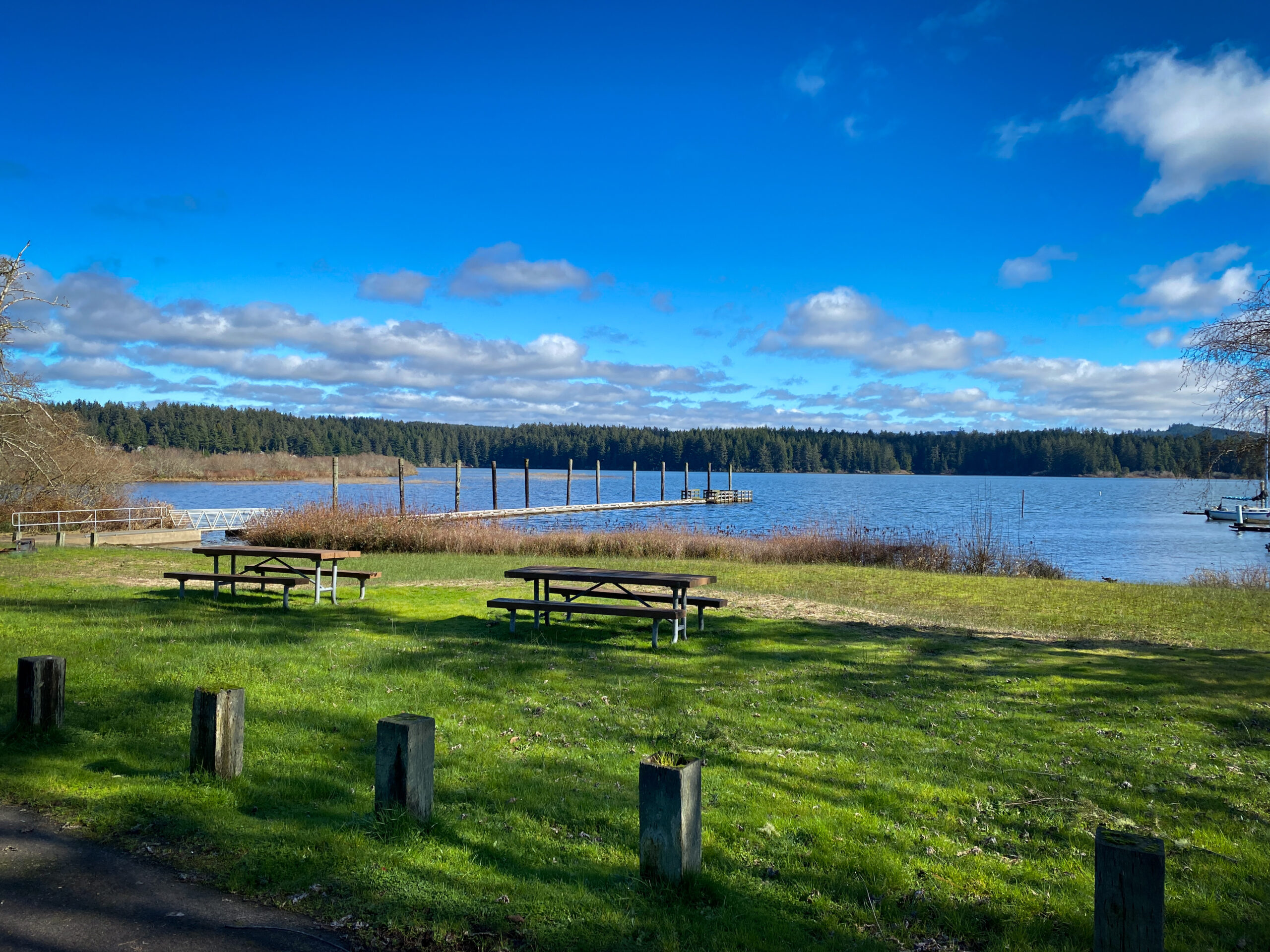
Taking your family fishing is one of the most rewarding ways to disconnect from daily stress and build lasting bonds through a shared adventure. It combines physical activity, mental health benefits, and valuable life lessons into a single, accessible hobby. For those of us living in Western Oregon, the opportunities to fish are abundant and all around us.
We are so saturated with media that it’s difficult to escape, and fishing creates a “digital detox” environment. It removes screen distractions and allows for uninterrupted conversations. This activity fosters family bonding in a way that few other outdoor pursuits can. It also teaches children essential qualities such as patience and persistence, as success in fishing is not always immediate; it requires waiting and focus.
Physicians and psychologists agree that fishing can enhance both physical and mental health. Spending time in nature can reduce anxiety by up to 40%.
Additionally, active fishing can burn between 150 and 550 calories per hour while providing a natural source of Vitamin D. It’s also beneficial for children; they will learn practical skills such as problem-solving, hand-eye coordination, and self-sufficiency by handling their own gear, all while gaining a better understanding of where food comes from.
In my life, fishing fostered an early appreciation for nature, wildlife, and the importance of conservation – values I still hold today.
Tips and more
If you’re not familiar with fishing, you can find several tutorials on how to fish for species common to Oregon on the ODF&W website at myodfw.com. Based on my years of experience, I have adopted several strategies that you may find helpful, especially if you’re taking younger children:
- Keep it short: Your first trips should last only an hour or two to accommodate kids’ shorter attention spans.
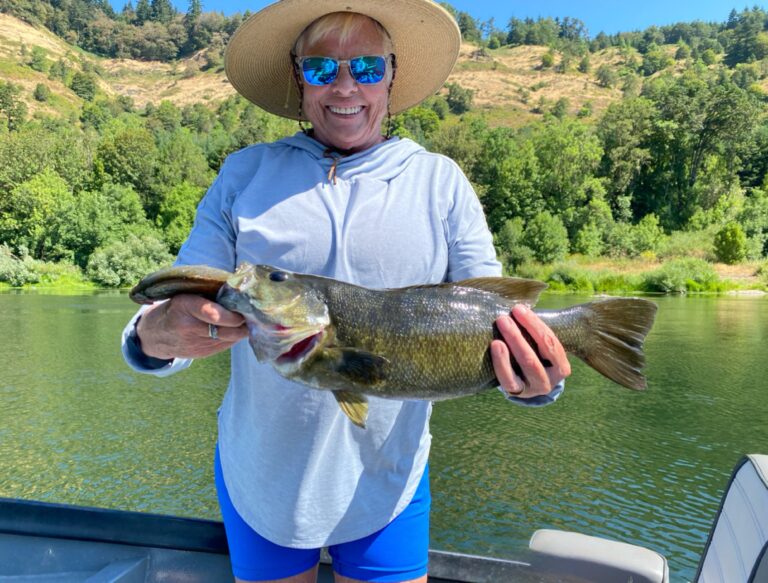
- Target “easy fish”: Focus on high-action species like planted trout, sunfish (bass), or crappie to keep kids engaged.
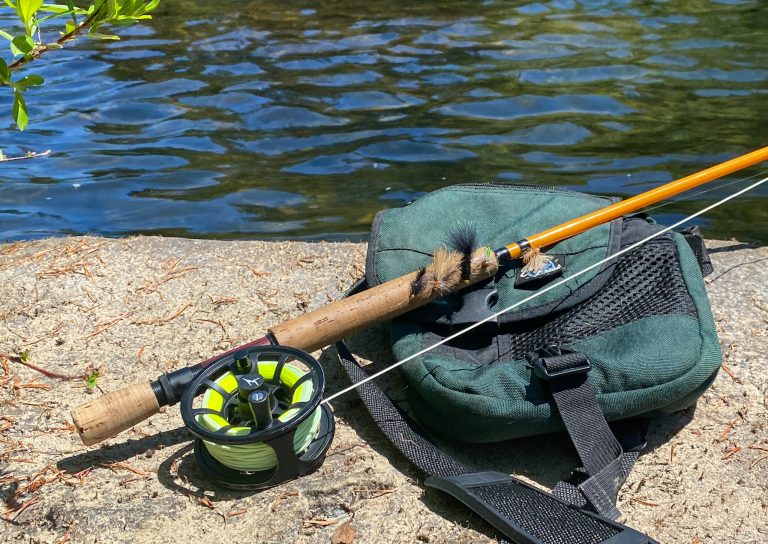
- Use properly sized gear: Choose child-sized rods with closed-bail and “push button” reels to minimize tangles and frustration for parents.
- Bring plenty of snacks: Make sure to have enough water, sunscreen, and life jackets for everyone near the water.
- Teach catch-and-release techniques: Use these trips to instruct proper catch-and-release methods, as well as how to dispatch and care for your catch humanely. It’s also important to cordially welcome other anglers you may encounter and to respect the larger environment we all share.
- Give your time and attention: Finally, be generous with your time, patience, and focus on your family. You will all benefit from the experience.
Email: [email protected]