Did anyone watch the Super Bowl two weeks ago? I admit, I only watched in spurts, finding the crowd noise was triggering my anxiety about my ever-growing, never-shrinking to-do list.
Somewhere before halftime, Theresa came to the kitchen, where I was working, her iPad in hand. “You’ve got to see this,” she said, pulling up what turned out to be the long form of the Lay’s potato chips ad, Last Harvest. I am a sucker for a heart-string-pulling narrative, and this certainly delivered: connectedness to land, to family, to tenacity, to feeding others with the work of your hands, to growing up and growing old.
(I know some reviewers complained that it was manipulative. Surprise! That’s the goal of advertising. I worked in a handful of advertising agencies in my salad days, and the success of an ad or a campaign was always measured by its success in eliciting emotion and thereby influencing behavior.)
The storytelling was superb. The choice of a daughter as the one to embrace the life (and life’s work) of a farmer is not subtle, but profound nonetheless, nodding both to a reality that daughters can carry on a family legacy, even a natural resources one, AND to the fact that 2026 is the International Year of the Woman Farmer.
The underlying reminder of the ad was that our food doesn’t arrive on our grocery store shelves without a lot of effort – and early mornings, long, dusty or muddy days, and hard work by someone we rarely consider. Actually, a lot of someones we rarely consider.
Perhaps this story ad touched me so deeply because it followed an Instagram reel posted by the Oregon Farm Bureau earlier in the week.
(Full disclosure: I am not a native social media scroller. That everything seems to need to be in motion to capture attention these days makes me – sometimes literally – a bit queasy. I turn the volume on my phone down to zero the moment I open any social media platform so I’m not blasted by every post. I like to read rather than watch; I prefer to quietly ponder and digest to my own internal tune rather than be assaulted by a soundtrack embedded in every thought or picture.)
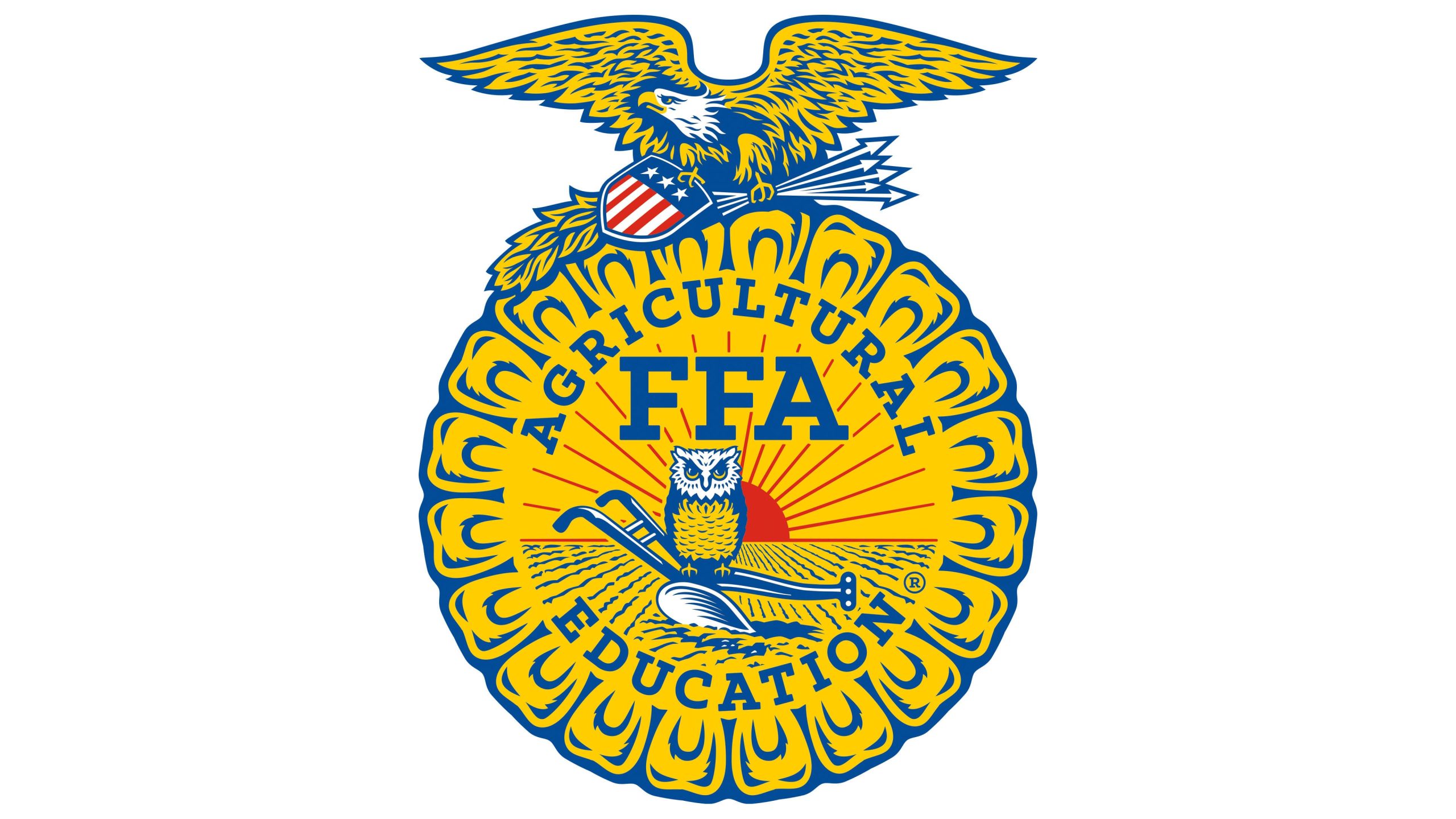
Something first caught my eye and then held my attention in this OFB post: a teenager, with a complexion and hair that hinted this was a young woman of color, speaking before the Joint Ways & Means Committee at the Oregon Legislature. She wore a dark blue jacket, which I soon recognized as an FFA blazer (historically Future Farmers of America, but now so much more; see ffa.org).
I read along as her words were captioned across the screen. She spoke of the value of FFA, how it had formed her, made her willing to step up and become a leader even though she was afraid, and how her chapter had confidence in her before she had confidence in herself. As with the Lay’s commercial, by the time she finished her testimony, my eyes were wet, and my heart was full. Here is a young woman, primed to grow into the adult woman of Last Harvest, ready to take the keys from her father’s hand and carry on the family legacy of feeding a nation when the time comes. She is our future – and the future of our food security as a state and a nation.
My teaching career was spent at a private girls’ college-preparatory high school. I nurtured and marveled at generations of polished, intelligent, compassionate, motivated young women – each one of them groomed and poised to take on the world and make it a better place.
I have rarely encountered a group of young women and men as uniformly committed, articulate, and engaged as FFA students. In a world filled with talkers, these are young people who show up, do what they say they will, and walk their talk. They truly are the future leaders and innovators we need as a state and a nation. They will literally put food on our tables.
I’m not alone in being overloaded and disheartened by the discord that proliferates these days: over our airwaves; on our televisions; in our social media feeds. Many days, it’s more than I have the bandwidth to handle with any semblance of equanimity. And yet there are some days, some moments, that provide respite from the winter storms of our ever-growing discontent. I cling to those moments – a Super Bowl commercial, a snippet of legislative testimony – because they give me hope.
Hands in the dirt, seeds in the soil, boots on the ground: that is how we transform the compost of the past into the harvest of the future, where all are fed – and those who feed us are recognized and appreciated.
Kate McMichael is a small woodland owner in Vida, Oregon and member of Lane Families for Farms & Forests. To learn more about LFFF, visit our website: lanefamilies.com