Salmon & steelhead …
The spring chinook and summer steelhead migration over the Willamette Falls at Oregon City slowed to a trickle at the end of July. The final season tally came in at a respectable 36,500 chinook, which is about 6,500 more fish than last year. About 9,500 steelhead also made it into valley streams, more than doubling the meager 4,000 fish return from 2025. The season ending also saw the continuance of a disturbing trend – a steady decline of wild chinook salmon in the Willamette Basin. In 2025, only 5,200 wild chinook made their way to the tributaries, deeply disappointing fisheries managers.
This year the number fell to only 4,000 wild spring chinook that made it past the Willamette Fall up into what’s left of their natural spawning habitats.
The decline has continued now for several years, frustrating fisheries managers looking for solutions – some of whom speculate that the falling numbers might be due to the severe fires that we experienced in 2020. The Beachie Creek fire in the Santiam River drainage and Holiday Farm fire on the McKenzie River were “fire storms” that burned so hot, the incineration was nearly complete, reducing almost everything to ash.
Now about eight years out, there still appears to be something wrong in the watersheds, possibly reflected in the lowering numbers of wild salmon we’ve seen since then. Historically, before major dam construction and commercial development altered the ecosystem, an estimated 275,000 to nearly 400,000 spring chinook salmon entered the Willamette River basin annually.
Like clockwork, fire season is here …
Fire has become an unfortunate annual occurrence in our forest and rangelands. This year alone nearly 1.8 million acres have burned. As I prepare this report, there were 49 active fires burning in Oregon, raging across 1.5 million acres of land. Of course there are also numerous opinions as to why and casting of blame. But I find it hard to overlook the fact that the ambient air temperature in Oregon has risen 2.2 to 2.5 degrees in just the last 50 years. Additionally, we’ve seen below-average rainfall, in 18 of the past 25 years. Honestly, it escapes me why some people seem to be surprised at what we now live with yearly. Climatologists point to 2005 and 2015 to have been among the lowest snow years in Oregon, but 2026, state climatologists have now confirmed, saw the least amounts of snowfall in Oregon history.
None of this is good for outdoor enthusiasts and as I look across the state, I find little to be excited about but rather a deep sense of concern for the human toll, as people have lost their homes and livelihoods. But for our fish and wildlife habitats too, wondering, how much more abuse can they continue to endure. It’s only the first week of August and we have so much further to go, before the end of our traditionally hot and dry season.
Through the smoke & haze, our McKenzie shines …
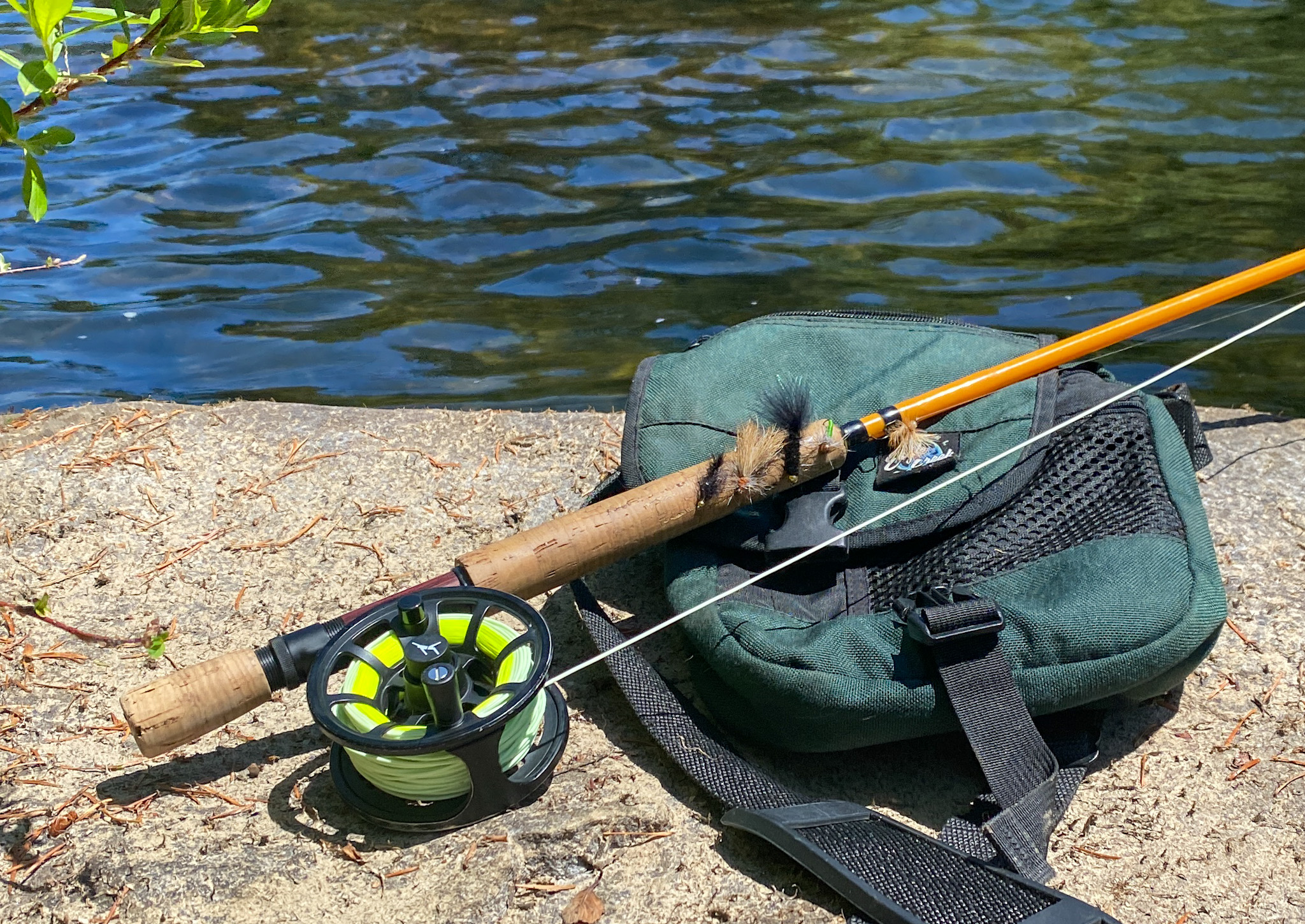
Not everything is doom and gloom. Lane County extends from the crest of the Cascade Mountains all the way to the Pacific Ocean. Though reservoir levels are dropping quickly in the southern Valley, the McKenzie River is always a standout. Its subterranean water source keeps it cool and provides the river with a steady flow of water. It’s truly a year-round trout fishing gem, especially in the warmest weather of the year. Thousands of trout have been planted this year. With more to come, working up to Labor Day and the trout fishing has been good.
In Far West Lane County …
Ocean salmon fishing for both chinook and coho salmon continues to be “good.” The “bay fishing season” also kicked off on Aug. 1. Early fish has been “slow” but as the month progresses, conditions will change, drawing both chinook and coho within reach of those trolling flashers on the bay and bank anglers casting from the jetties.
Water temperatures are a little high to encourage a consistent bite – more favorable tides in August should change those conditions.
Email: [email protected]