
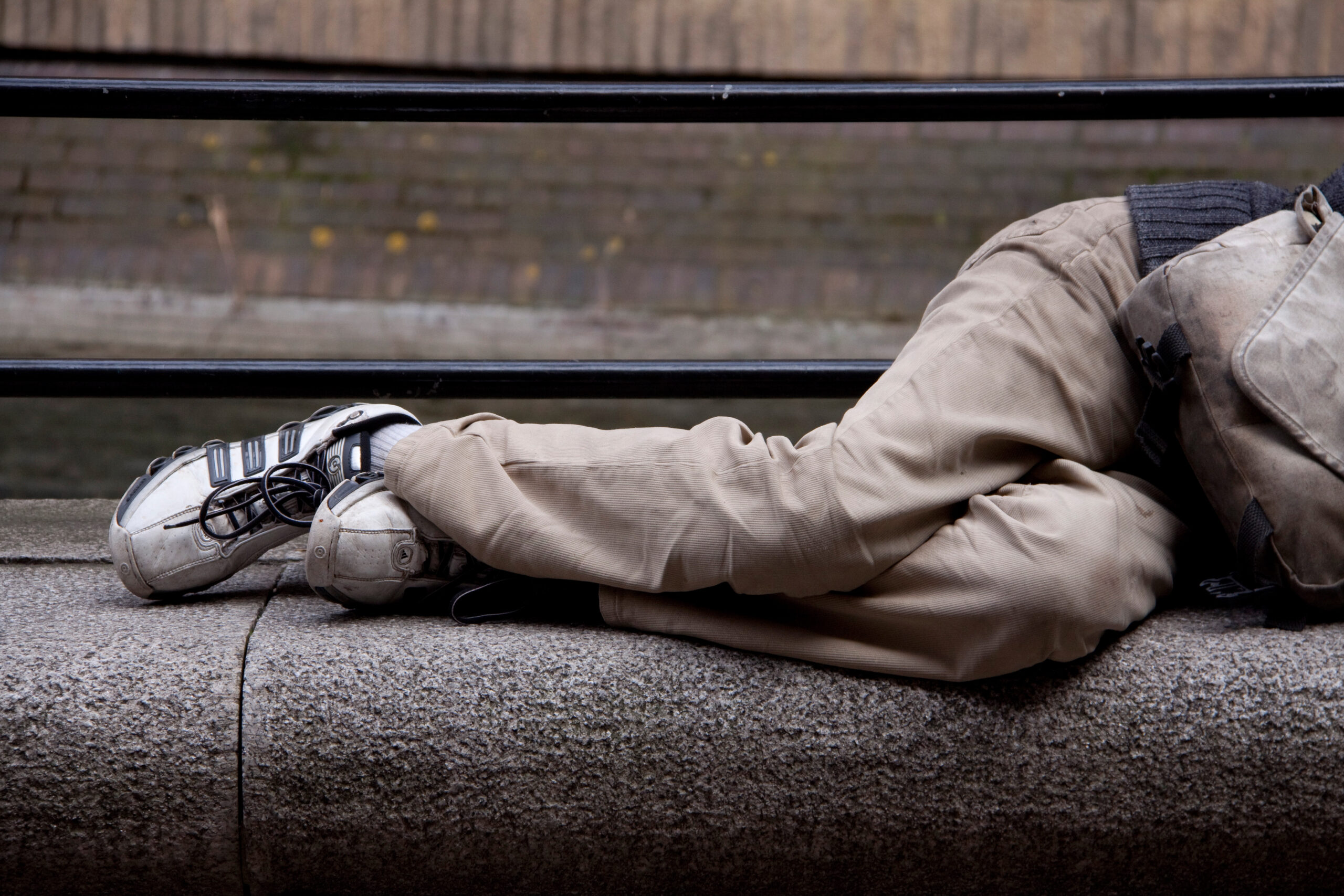
Lane County’s homelessness figures showed a slight decrease in January 2026, with 4,490 individuals experiencing homelessness – down 7.5% from January 2025.
Despite the reduction, the issue remains a crisis in the region, primarily driven by a lack of affordable housing, according to the recently published Lane County full Point-in-Time (PIT) Count of sheltered and unsheltered individuals, which occurs every two years.
Key takeaways:
- The 4,490 with homeless experience in January 2026 represents a 7.5% decrease from January 2025 and a 3.4% reduction from January 2024.
- 717 (16%) of the 2026 individuals were in adult-child households, comprising 253 families.
- 326 (7.2%) were in youth households, where all members were under 25. There were 305 youth households, including 44 where all members were under 18 and 9 with parenting youth.
- 419 individuals (9%) were age 65 or older, and an additional 751 (17%) were ages 55-64, totaling 1,170 individuals (26%) aged 55 and older.
- 2,811 individuals (63%) had at least one disability.
- 2,039 individuals (45%) were chronically homeless, defined as having a disability and experiencing homelessness for at least 12 months or having experienced four or more episodes of homelessness totaling at least 12 months in the past three years.
- 259 individuals (6%) were veterans.
- 64% were unsheltered, living on the streets or in places not meant for habitation.
- 31% were in emergency shelter or transitional housing, while another 5% were in alternative shelters.
- 79% reported that when they lost their housing, they were living in Lane County. 1% reported never having stable housing, 9% lost housing in another part of Oregon, and 10% lost housing outside of Oregon.
Despite the overall decrease, the number of chronically homeless decreased at a slower rate than that of those who are not chronically homeless, raising the proportion of chronically homeless individuals in January 2026, according to the county.
The reduction in chronic homelessness is partly attributed to the opening of the Bridges on Broadway Permanent Supported Housing program in September 2025, which provides support for residents experiencing chronic homelessness.
The next count is set for 2027.