On June 26, the Oregon Department of Fish & Wildlife Commission convened in Redmond to address a range of fisheries and wildlife-related topics. The outlook from the meeting was largely optimistic for local anglers, signaling a promising fall salmon season ahead with expanded opportunities for both wild fall Chinook and wild coho salmon in numerous coastal basins.
For wild Chinook, there will be larger bag limits in 18 coastal river basins, including the Necanicum, Nehalem, Tillamook, Siuslaw, and Umpqua basins. The Nestucca Basin will see a decrease, and the Coquille and Elk rivers will remain open only for hatchery Chinook. Anglers will also be able to target hatchery Chinook and coho in most basins. Those seasons are set separately in the Oregon Sport Fishing Regulations, with updates generally available by the end of July.
Nearly all coastal basins open to wild coho retention last year are proposed to remain open in 2026, along with the coho populations in Siltcoos, Tahkenitch, and Tenmile lakes. The exception is the Alsea Basin, which did not meet coho escapement criteria last fall.
At the Commission meeting, the ODFW also adopted its 2027–29 “Agency Request Budget,” which represents a historic investment in wildlife conservation resulting from the passage of HB4134 in 2026. Funding will come from a 1.25% state transient lodging tax, starting in January 2027. This investment will support at-risk species recovery, wildlife connectivity projects, and urban wildlife stewardship, ensuring that conservation fund benefits reach all communities across Oregon.
Public testimony mostly supported the budget, although there was some disagreement over a proposal to invest in hatchery infrastructure in the Umpqua Basin. This proposal centers on ODFW staff’s plan to develop infrastructure to sustain and strengthen production in the Umpqua Basin, following the destruction of Rock Creek Hatchery by the Archie Creek Fire in 2020. The proposal is still under development in collaboration with the Cow Creek Tribe and other partners, which includes installing “modular infrastructure” at Rock Creek Hatchery to continue spring Chinook and trout production. Some portion of hatchery spring Chinook will still be raised at Cole Rivers Hatchery, and a new facility in South Umpqua for rearing winter steelhead and coho will be constructed. The Commission voted to continue funding for fall Chinook production at the Gardiner Reedsport STEP (Salmon-Trout Enhancement Program) facility and at the Elk River Hatchery. This multi-site approach is designed to address climate-related risks identified in the Department’s recent review of the state’s hatchery system.
The legislation also allocated funds to the Oregon Conservation and Recreation Fund, which will finance 19 projects to improve fish and wildlife habitats and expand recreational opportunities. Updates will be provided as those projects become better defined.
The elephant in the room
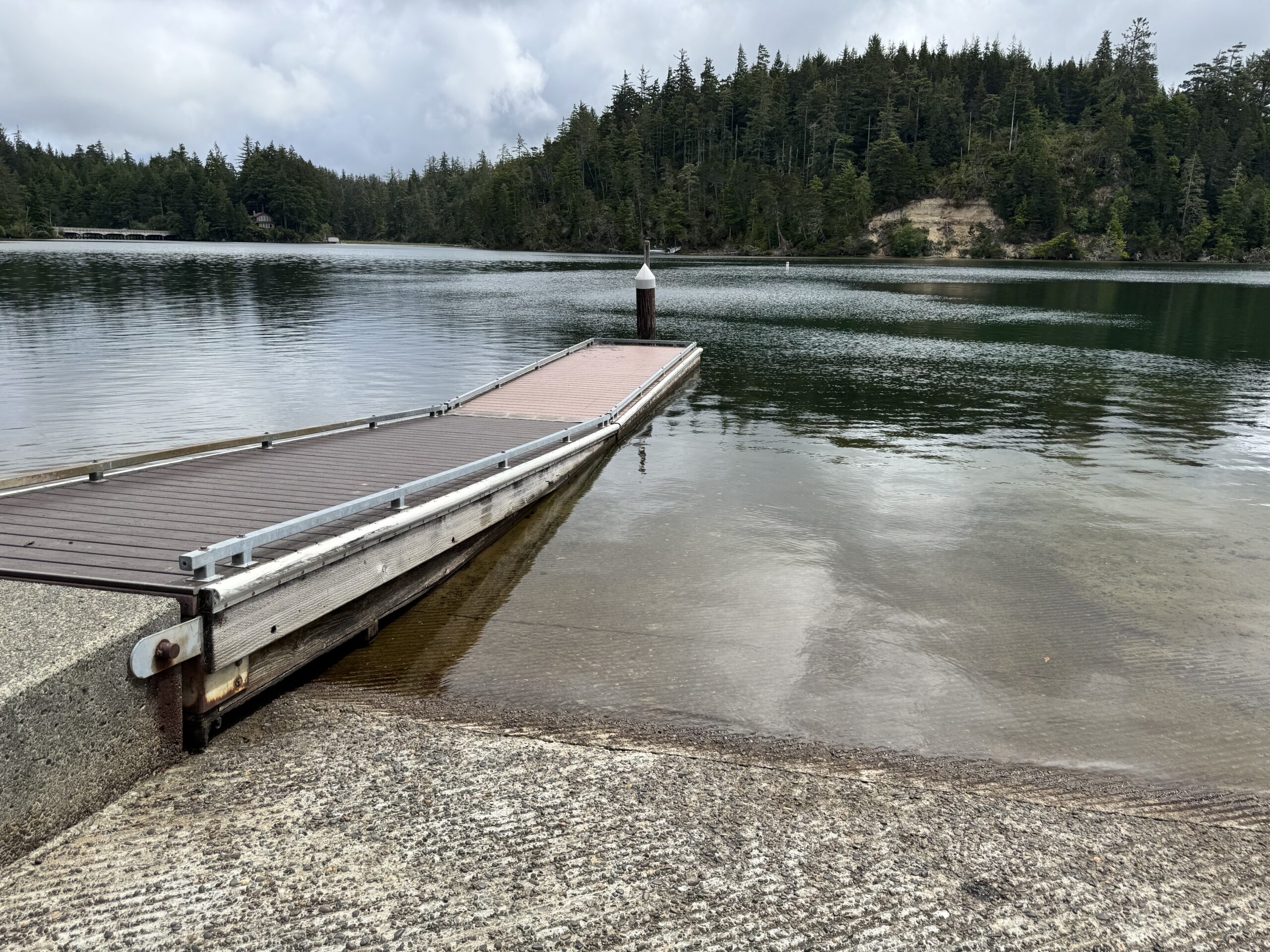
It’s tough to share this, but Oregon’s waterways are facing a grim reality as the relentless drought continues into 2026. For instance, the McKenzie River has dropped to 1.1 feet at the Vida gauge, nearing historic lows. While the McKenzie’s unique subterranean flow may protect its fishery, other watersheds in the state aren’t as fortunate and may face disastrous conditions. Lake and reservoir levels are also plummeting, impacting domestic and agricultural water supplies. The Oregon Department of Fish and Wildlife has halted trout stocking in most low-altitude water bodies, and anglers may soon face “low warm water regulations” that restrict fishing to morning hours. Recreational boating is becoming increasingly difficult, with many lakes and reservoirs receding to levels where launching a boat is nearly impossible without carrying it to the water. Unfortunately, there is no expected relief until fall rains return.
Email: [email protected]