The significant change in the weather forced us to cancel a much-anticipated late-season salmon fishing trip on a southern Oregon coastal stream. We had been looking forward to fishing on the Sixes, Chetco, and other south coast rivers, which typically offer excellent fishing surrounded by stunning scenery. With the season just picking up, we plan to reschedule soon.
Normally, we don’t mind a bit of rain; our trusty Grundens rain gear has never let us down. However, conditions turned extremely unsettled and potentially dangerous. With forecasts predicting lightning, gale-force winds, and even tornadoes, we knew we had made the right call. The predicted “atmospheric river” brought powerful thunderstorms from the Pacific, resulting in localized flooding, downed trees, and halted traffic on several roads and highways in Oregon.
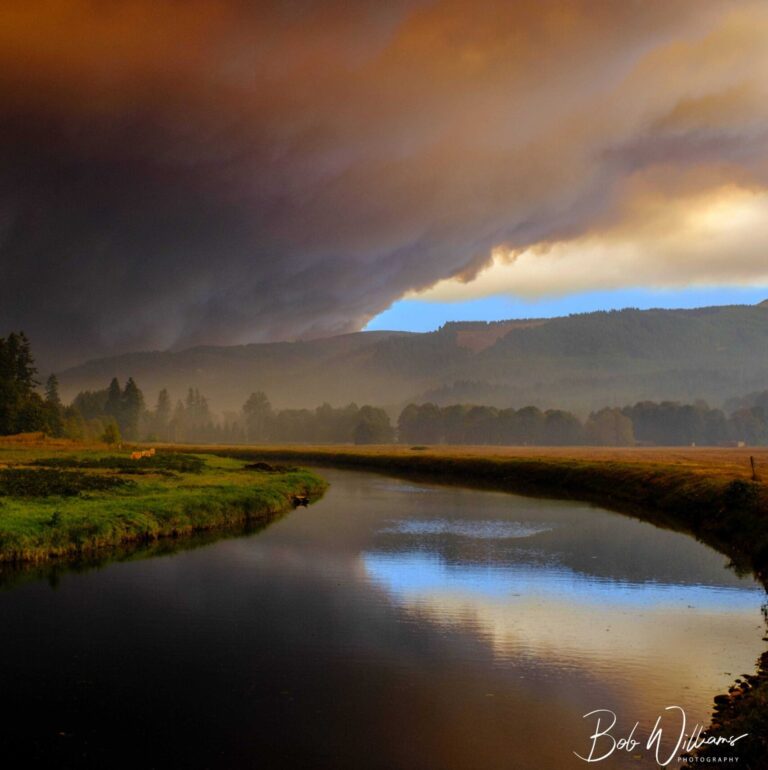
One particularly intense storm caused havoc in the McKenzie Valley, damaging trees from the Holiday Farm Fire and knocking over power poles, leading to electrified lines across HWY 126. This stranded motorists for hours just east of Leaburg Dam on a Saturday morning.
While we were safe at our central coast home after canceling our trip, the storms left us in the dark on Friday night, along with many neighbors, when high winds took down power lines in our coastal community. Despite the disappointment of missing our fishing adventure, we were grateful to be safe at home during the storm.
Winter boating demands your attention
The recent unsettled weather has likely caused trees to fall across our favorite rivers and streams. After such events, we should all expect changes in the environment. In the McKenzie Valley, there are still countless dead and dying trees. Since the Holiday Farm fire, river restrictions have been put in place due to dead trees entering the water. Some blockages have occurred during the summer from fragile, dying trees being toppled by the afternoon breeze. The most significant risk for blockages from downed trees exists above Leaburg Dam, where it could take decades for the woody debris to work its way downstream.
Downriver, as the McKenzie River reaches the valley floor, the main channel becomes more transient. Even in the summer, it can develop blockages on any given day. A damaging windstorm combined with a moderate rise in river levels can lead to significant alterations in the river channels and an influx of woody debris from the banks. Rivers are dynamic and constantly evolving, particularly after atmospheric events.
Currently, there is no real-time notification system for monitoring fallen trees in the river, but an “after-the-fact” reporting system is available for boaters. This user-updated resource can be found at oregon-boating-obstructions-geo.hub.arcgis.com. Although the recent storm brought only 1 to 4 inches of rainfall, it led to moderate rises in river levels across western Oregon; by the end of the weekend, many rivers had returned to their seasonal levels.
Gearing up for wet weather
I mentioned rain gear. Unless I plan to wade in the river, I prefer to wear a quality rain bib and 3/4 calf-high waterproof boots rather than chest waders and wading boots. I have lived for weeks at a time in waders, but I always appreciate the less-restrictive feel of a bib. That is a waterproof work style overall. Gentlemen, speaking to you directly, most manufacturers also offer gear specifically designed for women and adolescents that is better-fitting, drier, and far more functional for your family than adult, male-sized hand-me-downs. In closing, I’ll add that when outfitted correctly, it is also much easier to find enthusiastic fishing partners.