
SPRINGFIELD – The directors of the Springfield Economic Development Agency (SEDA) are reexamining plans for a prime piece of real estate on Main Street that has been sitting vacant for over a year.
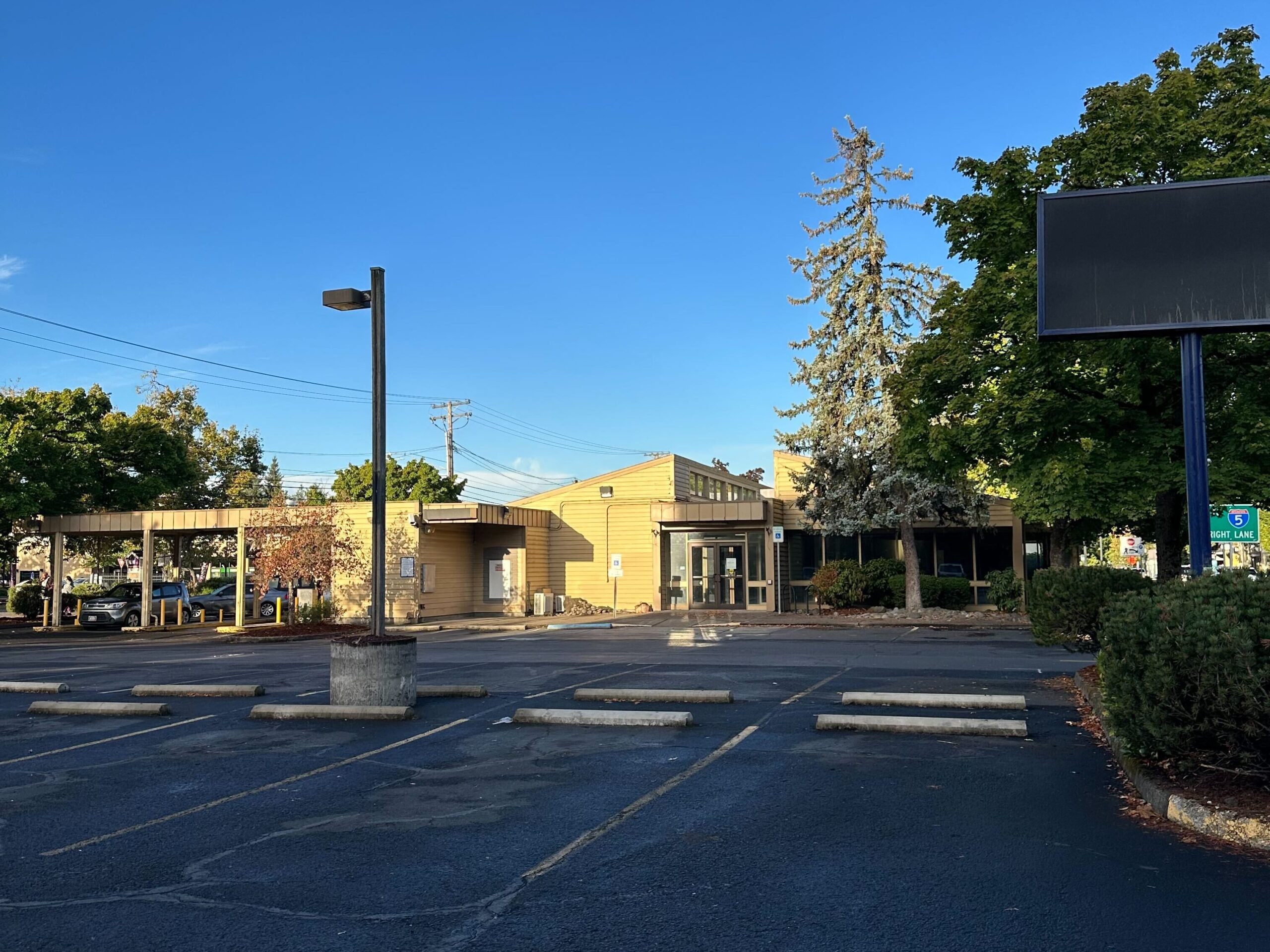
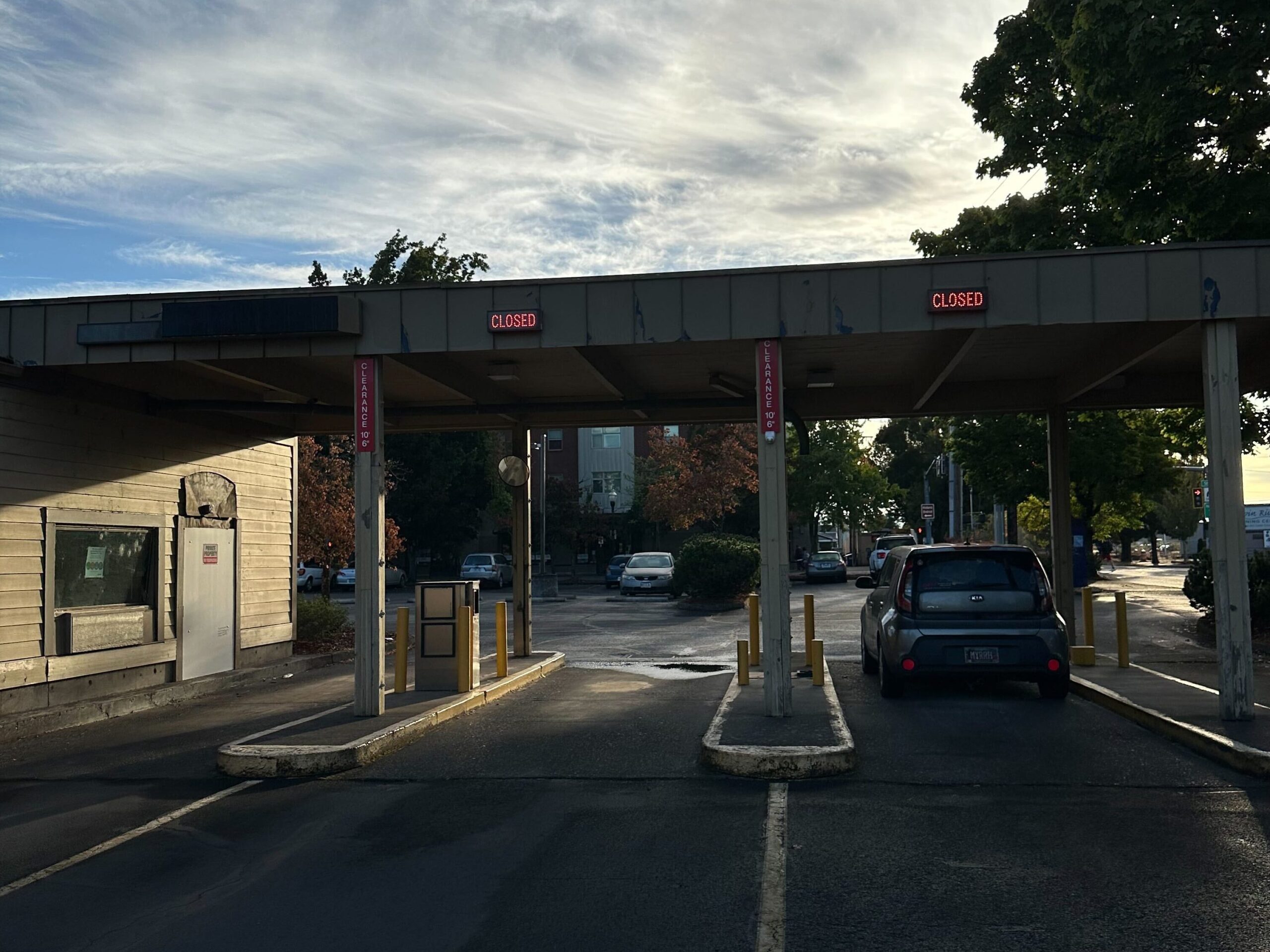
On Sept. 4, 2024, SEDA finalized the acquisition of the 0.71-acre site, which previously housed the U.S. Bank building at 437 Main St. This property occupies the entire city block between 4th and 5th Streets and includes an existing structure as well as a parking lot.
“When I look at this property, it’s such a prime piece of real estate right here in downtown,” said vice chair Beth Blackwell.
Board members debated the feasibility of a hotel or mixed-use development on Sept. 22, emphasizing the need for economic viability and public engagement.
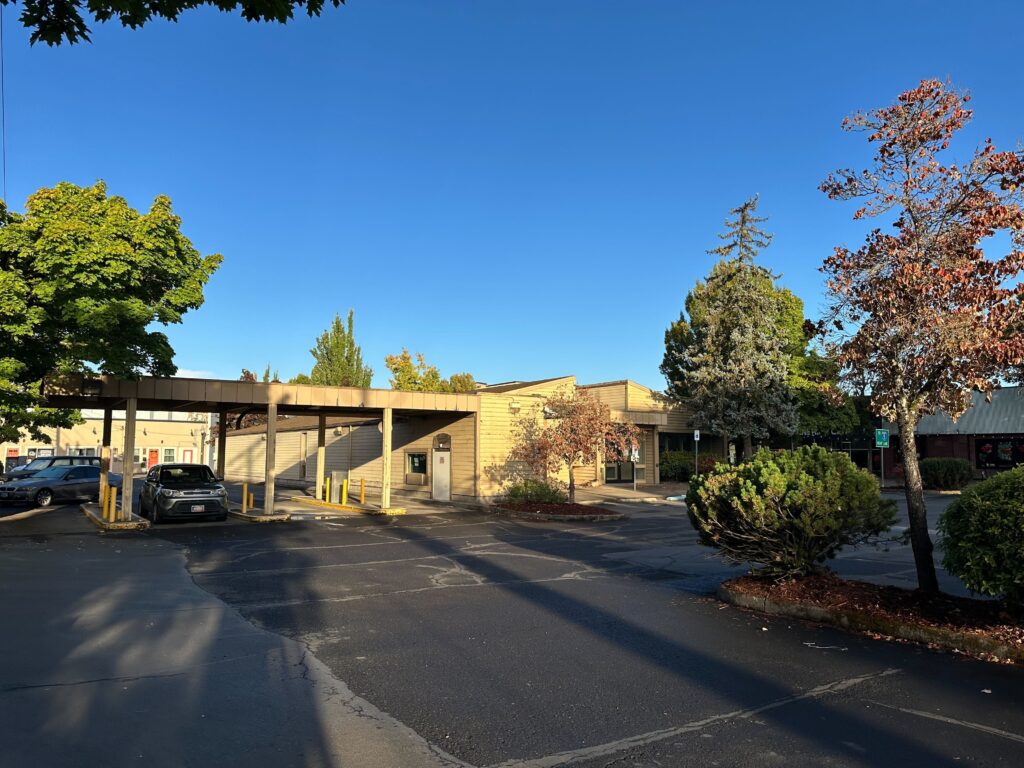
The session opened with public testimony from Mike Koivula, who articulated worry over the potential loss of downtown parking if the site is redeveloped.
He said he was concerned that the development of that property would “remove parking for cars and bikes for … a number of restaurants in the area, and a whole lot of businesses. It would really affect these businesses… and parking for disabled and elderly people.”
According to Allie Camp, economic development manager for the City of Springfield, the agency’s purchase of the property a year ago was intended to create a redevelopment opportunity, taking a one-story building on a whole city block and reimagine it as something more dense, with a more substantial impact on the property tax base.
Camp explained how tax increment financing is used for projects like this one.
“This money is meant to be spent to make strategic investments in downtown, to bring good things that will better position the tax base in the future,” Camp said.
She also noted that the site is zoned as mixed-use commercial, “which is very flexible” because the designation combines residential, commercial, and retail uses within a single development, offering benefits such as diverse income streams, community development, and increased property value.
Board members engaged in a wide-ranging discussion about the property’s future, with several members expressing support for a hotel or mixed-use development that could serve as a downtown anchor, drawing visitors and supporting local businesses.
“I think the primeness of this property is what’s going to make or break … what the future of Springfield looks like,” said director Dave Loveall, who is also the chair of the Lane County Commission and managing partner of Mataska Properties, which has already developed several buildings in the downtown area.
Loveall proposed a vision for a block similar to the Hyatt Hotel complex at Oakway Center in Eugene, featuring retail spaces on the ground floor and parking on the upper levels. He said that he believes this could help address parking needs while accommodating residences or a hotel above.
“I think that in the future, the demands of our Big 10 participation, the University of Oregon, and just the proximity of keeping people in the downtown core… I think the hotel is a decent idea to lean into,” he said.
Blackwell said that, when she looks at the size of that lot, she “can envision some type of boutique hotel that brings people into Springfield to go to the restaurants and the Wildish and everything that’s around.”
She also mentioned the employment factor that would come with such a development.
“When I think about the U.S. Bank building being in the center of our downtown, but also the center of the properties that we own to the sides of it, I think of this more holistically,” said director Michelle Webber. “I do like the idea of a hotel, or something that would be kind of an anchor to all of that development, something that just kind of ties it all together. And I think a hotel could do that.”
Mayor Sean VanGordon said he was in favor of a hotel as well, but with a caveat.
“I don’t want to close ourselves off to something else that could potentially work there,” VanGordon said. He also suggested an opportunity to open up the entrance from downtown to the Booth-Kelly District. “We want to see more development down in Booth-Kelly,” he said.
Others suggested a more incremental approach, proposing creative short-term uses – such as temporary leases for startups or community events – to keep the site active and engaged with the community while long-term plans are developed.
“I’m wondering if there’s something we can do more incrementally and immediately, rather than just a parking lot? Can that building be filled with month-to-month leases of something hyper-creative?” said director Allen Stout, who agreed with the ideas of his fellow board members, but was looking for a more near-term development option. “It needs to show an investment in the community…It’s something that’s been an active part of our heartbeat.”
The process
A key part of the conversation focused on the process for selecting a development partner. The board weighed the merits of issuing a Request for Proposals (RFP), which could yield detailed project ideas but requires significant effort from developers, versus a Request for Qualifications (RFQ), which allows for relationship-building and flexibility.
Urban renewal analyst and new hire Sienna Fitzpatrick shared research on how other communities have approached similar projects, noting that timelines and outcomes can vary widely. To that end, the board considered utilizing an RFQ process, similar to the one used for the Glenwood project, to solicit developer proposals.
“Starting with an RFQ would be good,” chair member Kori Rodley said, mentioning how the process worked well for the Glenwood project, adding that, “I think that there’s an opportunity to have some work with the public in this.”
Rodley noted the importance of public engagement, suggesting that visioning events or outreach to local architects could generate ideas and foster community support.
She mentioned potential community events with a large chalkboard, where people can help shape the vision for the property.
Funding and infrastructure needs were also discussed, with suggestions to coordinate early with the Springfield Utility Board and clarify how different funding sources might be used.
The next steps are for staff to draft a proposed process for soliciting proposals for the property, including consideration of whether to use an RFP or RFQ approach. This draft process will be brought back to the board for feedback. They will also provide information on SEDA’s past experience with hotel projects in Glenwood.