

Residents feeling rising costs for rentals
The latest report from the American Community Survey (ACS) reveals significant changes in housing costs across the United States from 2020-2024 compared to the previous five years. During this period, renters experienced a median increase of $100 in monthly costs, reaching $1,413, while homeowners’ median costs remained stable at $1,963.
Another recent study by Construction Coverage reports that rising rent prices across the U.S., with the Eugene-Springfield Metro’s median rent reaching $1,985. Nationally, the Consumer Price Index rose 3.0% year-over-year, with shelter costs increasing by 3.6%.
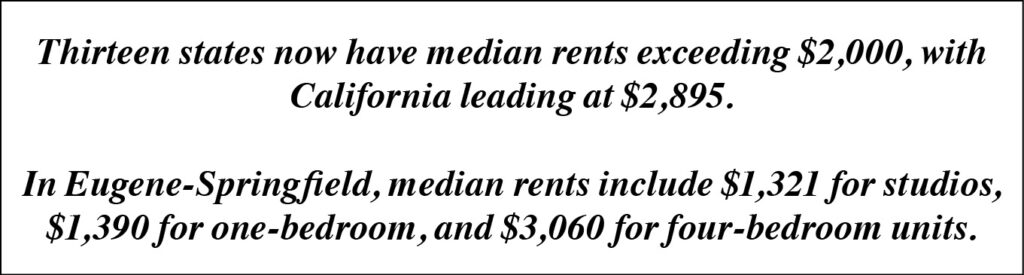
The data shows fluctuations in rental prices in 3,144 counties, with median rents rising in 626 counties and decreasing in 330. While some regions saw reductions in rental costs, nearly twice as many experienced increases, especially in areas already facing high median rents.
Homeowners’ costs varied, with increases noted in 369 counties and decreases in 589 counties. Lower interest rates during the COVID-19 pandemic played a critical role in stabilizing homeowner expenses, allowing for refinancing opportunities that reduced monthly payments. —Chronicle staff
Sources: Census.gov study published Jan. 29, 2026, U.S. Department of Housing and Urban Development and the U.S. Census Bureau & Construction Coverage research reports.

Market roundup
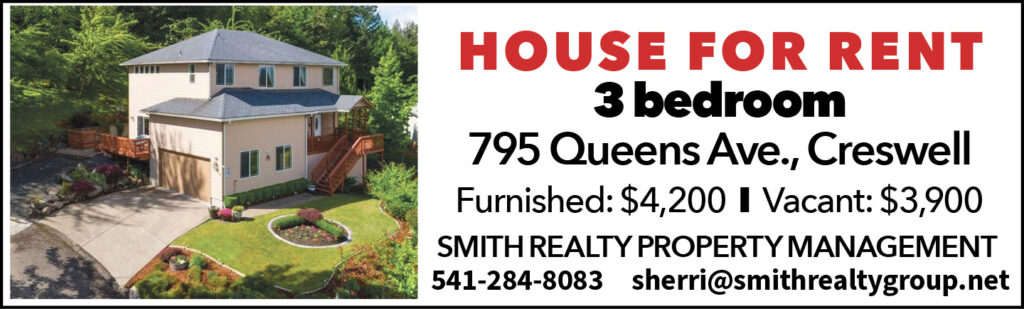
Market shift: In January 2026, the Lane County real estate market experienced a significant shift, entering a Soft Sellers Market. This change is a result of increased inventory and a longer time to sell, indicating a shift in dynamics that requires both buyers and sellers to adjust their strategies.
Inventory increase: Inventory levels rose from 2.25 months to 3.77 months, with active listings increasing from 513 to 569 homes. This expansion provides buyers with more options, allowing for greater selectivity in the buying process.
Sales performance: Only 34.4% of homes sold were on the market for 30 days or less, indicating that many successful sales were from aged listings. This shift suggests that buyers are prioritizing negotiation over urgency.
Average days on market: Homes are now averaging 89 days on the market before selling, reflecting a trend of buyers taking additional time to evaluate their options amid increased competition.
Potential market trends: Looking ahead, the market may shift back toward a Healthy Sellers Market, buoyed by 255 homes currently under contract. If inventory growth slows, this pending activity could help stabilize market conditions, benefiting both buyers and sellers.
Offer dynamics: Within the past 30 days, 12.6% of homes sold above list price, indicating selective competition. Homes that received contracts within the first 7 days achieved a list-to-sold price ratio of 100.7%, while the overall average sat at 94.5%, highlighting the importance of initial pricing strategies.
Buyer demand: Buyer demand remains steady but cautious, with 56.3% of purchases financed through conventional loans and 25.2% made in cash, suggesting confidence in the market.
Seller strategy: Sellers must focus on accurate pricing and property condition to attract buyers, as patience and responsiveness to market feedback are increasingly vital for achieving favorable outcomes.
Valuation importance: Understanding a home’s true market value is crucial in this evolving landscape. Homeowners considering selling should seek personalized valuations to inform their pricing strategies and maximize their selling potential, especially when pondering whether to sell now or wait.
Source: Lanecountyhomes.net