
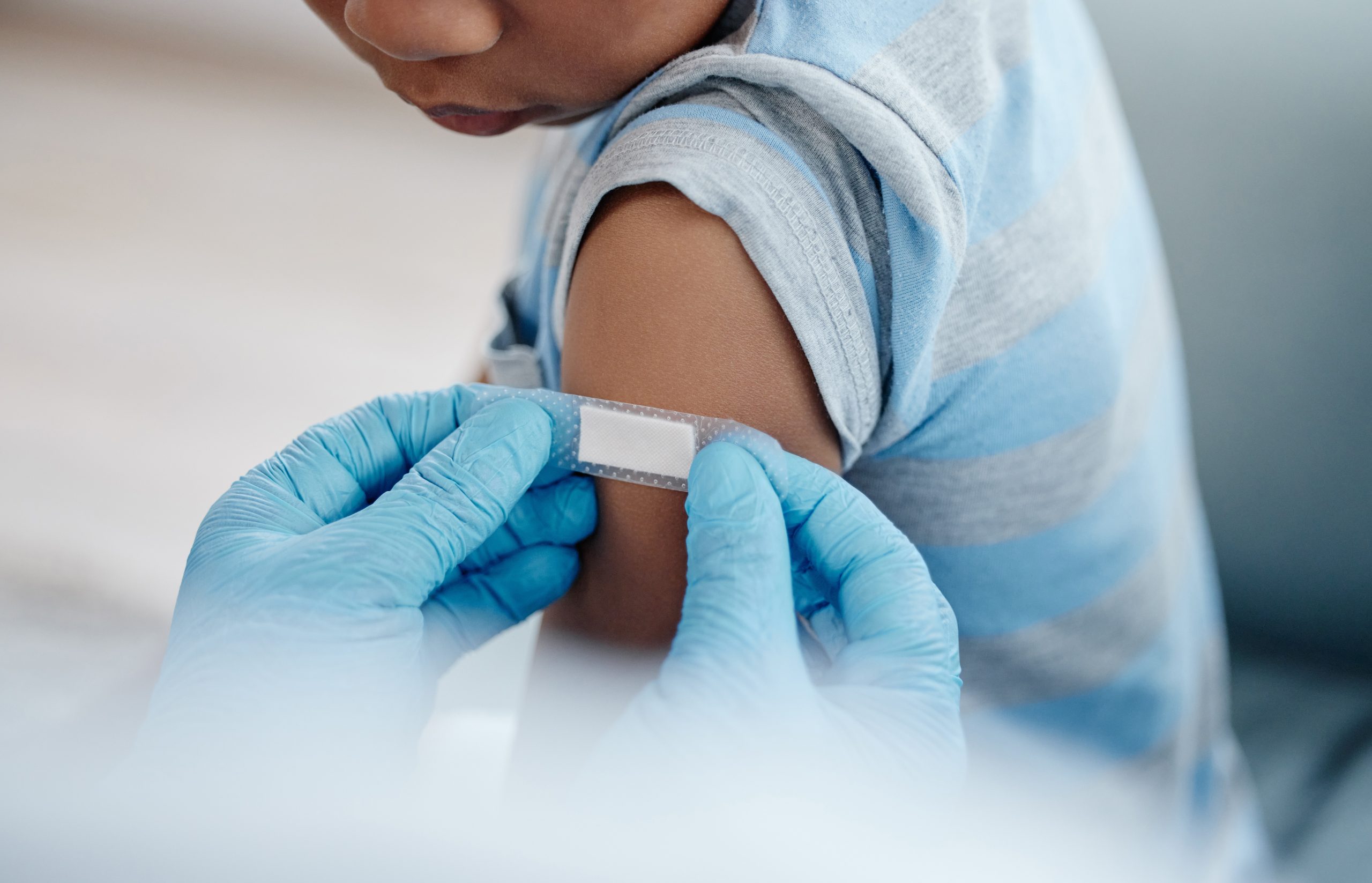
Vaccines work.
Most of us are too young to remember the U.S. polio epidemic of 1952, which killed 3,145 children and left another 21,269 reeling from permanent, disabling paralysis.
I was only two years old at that time, but I remember the sugar cubes treated with oral vaccine that were distributed in our high school hallways in 1962.
I am also grateful for the team of scientists, led by Jonas Salk, who developed the first polio vaccine, which has led to the elimination of polio in most parts of the world.
But polio is not gone. It was the fear of a polio outbreak that stopped the war in Gaza long enough for children to be vaccinated. A single case of polio was identified in New York just a couple of years ago.
Only two countries in the world still experience the wild polio virus: Afghanistan and Pakistan. In 2021, there were only two cases.
Unfortunately, that number has increased, and so far this year, there have been 4 cases in Afghanistan and 24 cases in Pakistan.
A bit of history
The first known U.S. polio epidemic occurred in Vermont in 1894, but it wasn’t until 1908 that Dr. Karl Landsteiner discovered that a virus caused polio.
In 1916, a major outbreak killed 6,000 and left another 27,000 paralyzed. Franklin D. Roosevelt contracted the disease in 1921 and, as President of the U.S., governed from the confines of his wheelchair.
In 1928, the first iron lung was developed to help children whose lung muscles needed assistance to breathe.
Dr. Jonas Salk was hired by the University of Pittsburgh in 1947 to work on virus studies, and it was his team’s work with the flu virus that led to the development of a vaccine for polio. Tested first on 1.8 million children, it was deemed “safe, effective, and potent” and ready for use in 1955.
With its use, the incidence of polio dropped 85-90%. In 1961, the oral vaccine was approved, and by 1979, the last case of polio was reported in the United States.
In 1985, Rotary International became a key player in the fight against polio with the establishment of its PolioPlus program. Worldwide, Rotarians have donated more than $1.2 billion (yes, with a b).
When coupled with two-to-one matching dollars from the Bill Gates Foundation, those dollars have purchased vaccines for the children of the world; kits for delivering the vaccines; infrastructure to create the vaccine, store it, and manage its distribution; and support for volunteers who give out the vaccine.
With the help of Rotarian volunteers, among others, those vaccines have been distributed, eliminating polio in all but the two countries mentioned above.
Rotary has immunized 2.5 billion children worldwide. The total cost is only 60 cents per dose.
But the fight against polio is not over until the virus is eliminated worldwide.
What can we do?
Educate yourself and others: Log onto www.endpolio.org to learn more.
Advocate: Urge world leaders to provide critical funding needed to end polio forever. Share the message on your social media network. Direct your friends to www.endpolio.org . Rotary’s advocacy has encouraged governments to donate over $9 billion to ending polio worldwide.
Fundraise: Make your own donation today at endpolionow.org. Ask your employer to make a matching donation.
Join others in the effort. Participation in Pars for Polio, a simulation golf tournament at Valley Sims, will be on Oct. 16, with tee-times available from 8 a.m. to 8 p.m. Join Springfield Rotary members at a world-renowned course.
Be part of the solution: Immunization rates in polio-affected countries are directly impacted by the amount of donations received.
“Unless we eradicate polio, within 10 years, as many as 200,000 new cases could occur around the world each year. In the past few years, only two countries have reported cases of polio caused by the wild virus, but no child anywhere is safe until we’ve vaccinated every child.” (EndPolioNow.org)
Rae LaMarche is a member of the Springfield Rotary Club.